 By
Abrasive blasting is widely used across industrial sectors to remove corrosion products, existing coatings, surface contamination and other unwanted materials. It can also create a controlled surface profile in preparation for protective coatings or subsequent finishing processes. However, the effectiveness of abrasive blasting depends on several factors, including the properties of the abrasive media used. Different media vary in hardness, particle shape, size, density and suitability for particular substrates, meaning an inappropriate choice can lead to insufficient cleaning, excessive surface damage or unsuitable preparation results. Businesses exploring industrial preparation solutions through specialists such as Surface Prep should consider how abrasive characteristics influence the overall process. Selecting the right blasting media requires a clear understanding of the material being treated, the intended surface condition and the requirements of any subsequent protective or finishing treatment.
Understanding the Role of Abrasive Blasting Media
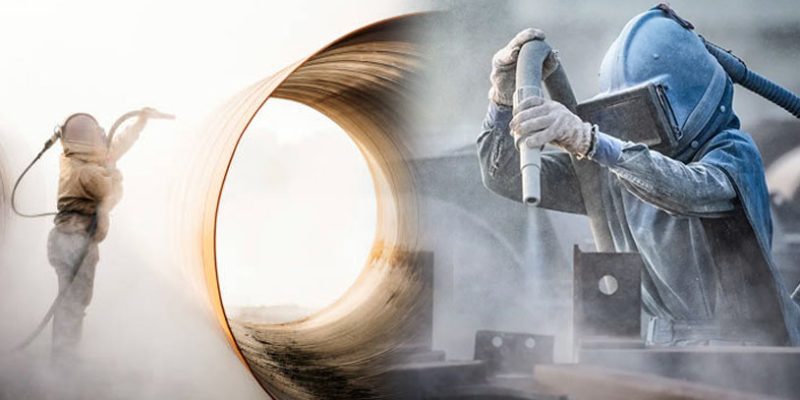
Abrasive blasting involves directing particles towards a surface using specialist equipment. Depending on the process, these particles remove unwanted material, modify surface texture or produce a particular decorative or functional finish. The abrasive media acts as the medium through which mechanical energy is transferred to the surface.
The characteristics of the abrasive influence how it interacts with the substrate. Some media are suitable for removing heavy corrosion and durable coatings, while others provide gentler cleaning or finishing effects. Understanding these differences helps businesses select an appropriate preparation process rather than applying the same technique to every industrial component.
Why Abrasive Hardness Is Important
The hardness of blasting media influences its ability to remove unwanted surface materials and modify the underlying substrate. Harder abrasives may be effective when removing resistant coatings or corrosion products from suitable metal surfaces. However, using excessively hard media on sensitive materials can create unwanted damage or alter important surface characteristics.
Softer abrasives may be appropriate for applications where preserving the substrate is particularly important. The correct choice depends on the relative properties of the abrasive, the underlying material and the substance being removed. Hardness should therefore be assessed alongside particle shape, operating conditions and the required finish.
How Particle Shape Influences Surface Preparation
Abrasive particles may have angular, rounded or irregular shapes. Angular particles generally produce a cutting action that can assist with removing coatings and creating a more pronounced surface profile. Rounded particles tend to produce a different interaction with the substrate and may be selected for certain cleaning, finishing or mechanically influenced surface treatments.
Neither particle shape is inherently superior. The intended treatment determines which characteristics are desirable. Preparing structural steel for a protective coating may require a different surface profile from finishing a precision-engineered component. Selecting abrasive shape according to the desired result helps avoid unnecessary processing and unsuitable surface conditions.
Choosing an Appropriate Abrasive Particle Size
Particle size influences the interaction between blasting media and the treated surface. Larger particles may deliver greater impact energy under particular operating conditions, while smaller particles may provide different coverage and finishing characteristics.
However, particle size should not be considered independently of abrasive density, equipment settings and substrate properties. An unsuitable size distribution may produce inconsistent results or fail to meet the required surface profile. Manufacturers and maintenance teams should establish a clear preparation specification and evaluate whether the proposed abrasive can achieve the required outcome.
Understanding Different Types of Blasting Media
Industrial blasting media includes metallic and non-metallic materials with different preparation characteristics. Common examples include steel grit, steel shot, aluminium oxide, glass beads and garnet. Each has properties that may make it suitable for particular cleaning, profiling or finishing applications.
Steel grit may be considered for certain heavy-duty preparation processes, while glass beads may be selected for applications requiring a different surface appearance. Aluminium oxide and garnet also have distinct abrasive characteristics. These examples are not interchangeable recommendations, and suitability depends on the equipment, substrate, contamination and required finish.
Matching Blasting Media to the Substrate
Substrate compatibility is one of the most important factors when selecting abrasive media. Carbon steel, stainless steel, aluminium and other industrial materials differ in hardness, chemical characteristics and sensitivity to surface modification.
Using inappropriate media may create excessive roughness, introduce unwanted contamination or damage delicate components. Stainless steel preparation, for example, may require particular attention to avoiding contamination from unsuitable ferrous abrasives. Businesses should assess material compatibility and relevant preparation specifications before commencing work, particularly where the component has critical dimensional or corrosion-resistance requirements.
Creating the Correct Surface Profile for Coatings
Protective coating manufacturers may specify a particular surface profile to support adhesion and coating performance. Abrasive blasting can create the required texture by modifying the substrate as unwanted materials are removed.
The resulting profile depends on the abrasive properties, equipment settings and condition of the underlying surface. A profile that is too shallow may not provide the intended conditions for adhesion, while an excessively deep profile may create difficulties when applying the specified coating thickness. Measuring the prepared surface against relevant requirements helps establish whether the blasting process has achieved the intended result.
Considering Abrasive Reusability and Operating Costs
Some abrasive media can be recovered and reused in suitable equipment systems, while others are more commonly associated with different recovery or disposal arrangements. Reusability depends on the abrasive material, equipment design, contamination levels and changes in particle condition during use.
Businesses should consider abrasive consumption alongside purchase price, recovery requirements, processing efficiency and waste management costs. A lower-cost abrasive may not provide the best overall value if it requires frequent replenishment or produces unsuitable results. Evaluating the complete blasting operation provides a more meaningful basis for comparing different media.
Managing Dust and Workplace Safety
Abrasive blasting can generate airborne particles from both the abrasive media and the materials removed from the surface. Depending on the application, these particles may present significant occupational health risks.
Selecting appropriate media forms part of a wider safety strategy that includes suitable equipment, containment, extraction, respiratory protection and relevant risk assessments. Existing coatings may contain hazardous substances requiring specialist identification and management. Businesses should ensure that blasting activities comply with applicable workplace safety requirements and that operators receive appropriate training.
Assessing Environmental and Waste Management Requirements
Spent abrasive media may contain coating fragments, corrosion products and other contaminants removed during preparation. The resulting waste must be managed according to its characteristics and applicable environmental requirements.
Where appropriate, recovery and reuse may reduce abrasive consumption, but contaminated media should only be handled through suitable systems. Businesses should assess likely waste streams before selecting a blasting process, particularly when working with older industrial coatings or potentially hazardous materials. Environmental considerations should be integrated into preparation planning rather than addressed only after blasting is complete.
Verifying Blasting Results Through Inspection
Selecting suitable abrasive media is only the beginning of a controlled preparation process. The resulting surface must be assessed to determine whether the required cleanliness, profile and condition have been achieved.
Relevant inspection methods may include visual assessment, surface profile measurement and contamination testing, depending on the application. Trial preparation on representative material can be valuable when introducing new abrasives or working with unfamiliar substrates. Verification helps businesses identify unsuitable results before subsequent coating or finishing work begins.
Frequently Asked Questions (FAQs) About Abrasive Blasting Media
What is abrasive blasting media?
Abrasive blasting media consists of particles used to clean, profile or modify surfaces through a controlled blasting process. Different media have distinct properties, including hardness, size, shape and density. These characteristics influence the preparation results and determine suitability for particular materials and treatment requirements.
What is the best abrasive media for removing rust?
The most appropriate abrasive depends on corrosion severity, substrate properties and the intended surface finish. Angular abrasives may be suitable for certain corrosion removal applications, but the choice must reflect relevant preparation specifications. Sensitive components may require less aggressive techniques to avoid unnecessary substrate damage.
Can the wrong abrasive media damage industrial components?
Yes. Inappropriate abrasive characteristics or operating conditions can create excessive roughness, dimensional changes, contamination or other forms of surface damage. Selecting compatible media and conducting representative trials where necessary helps reduce these risks, particularly when treating delicate materials or precision-engineered components.
Can abrasive blasting media be reused?
Certain abrasive materials can be recovered and reused within suitable blasting systems. Reusability depends on particle degradation, contamination levels, equipment design and the required preparation quality. Recovered media should be managed appropriately to ensure that its condition remains suitable for the intended application.
Why does abrasive particle shape matter?
Particle shape influences how abrasive media interacts with a surface. Angular particles may provide a cutting action, while rounded particles produce different cleaning or finishing effects. The correct shape depends on the substrate, contamination and required surface profile rather than a universal preference for one abrasive type.
Conclusion
Selecting the right abrasive blasting media is essential for achieving appropriate industrial surface preparation results. Hardness, particle shape, size, substrate compatibility and operating conditions all influence how effectively unwanted materials are removed and how the underlying surface is modified.
Businesses should evaluate abrasive media in relation to technical preparation requirements, workplace safety, environmental responsibilities and overall operating costs. By combining informed media selection with controlled processing and suitable inspections, organisations can establish more consistent preparation results and support the effectiveness of subsequent industrial coatings and finishing treatments.