 By
By Introduction
In the symphony of modern enterprise, finance and accounting set the silent tempo—balancing the immediacy of numbers with the cadence of vision and trust. Long gone are the days when these disciplines merely chronicled transactions and enforced compliance. Today, their greatest stewards orchestrate agility, resilience, and reputation—quietly guiding organizations through volatility, complexity, and scrutiny. This essay uncovers the profound transformation of finance and accounting from transactional record-keepers to luminous architects of sustainable prosperity.
Reimagining the Role: From Bookkeepers to Strategic Allies
Finance and accounting have shed the role of passive stewards, emerging instead as proactive partners in shaping enterprise direction and legacy.
The Expanding Canvas of Finance
-
Resource Leadership: Finance teams now operate as allocation strategists, deploying capital with an eye toward both immediate returns and long-term resilience.
-
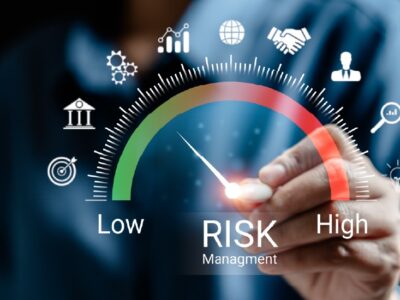
Dynamic Risk Management: Instead of merely reacting, financial professionals employ scenario planning, stress testing, and hedging to balance caution with boldness.
-
Value Creation: The modern finance function is measured as much by its contribution to innovation, impact, and stakeholder alignment as by balance sheet health.
The Essential Work of Accounting
-
Integrity in Practice: Accountants transform raw data into narratives of meaning, distilling insight and trust through meticulous record-keeping and transparent reporting.
-
Regulatory Synthesis: Today’s accountants are fluent interpreters of frameworks spanning global standards and emerging regulatory landscapes—building bridges across borders and business lines.
-
Strategic Analysis: The best practitioners transcend compliance, using variance analysis, benchmarking, and cost modeling to illuminate hidden patterns and inform wiser decisions.
The Digital Renaissance: Precision Meets Possibility
Technology has not merely streamlined finance and accounting—it has expanded their influence and deepened their sophistication.
How Tech Has Redefined the Fields
-
Automation and Robotics: Routine processes, from invoice matching to payroll, are now governed by algorithms, liberating professionals for deeper strategic and analytical pursuits.
-
AI and Predictive Analytics: Machine learning forecasts cash flows, identifies anomalies, and reveals risk patterns—empowering teams to anticipate, rather than simply respond, to change.
-
Real-Time Collaboration: Cloud-based tools have erased borders, allowing distributed teams to operate with speed and cohesion, whether closing the books or conducting cross-company analysis.
-
Immutable Assurance: Technologies like blockchain have fortified audit trails and transaction integrity, making fraud and error more easily detectable and far more costly.
Table: Digital Innovations in Practice
| Technology | Accounting Use | Finance Use |
|---|---|---|
| Automation | Reconciliations, report generation | Treasury management, payment cycles |
| Advanced Analytics | Variance, cost, and audit analysis | Forecasting, capital planning |
| Blockchain | Secure records, audit trails | Digital asset management |
| Cloud Collaboration | Global closing, real-time review | Team dashboards, scenario analysis |
Ethics and the Rise of the Transparent Organization
The real test for finance and accounting is not technical—it is moral. Integrity is now the currency more valuable than any asset on the ledger.
Foundations for Sustained Trust
-
Radical Transparency: Regular, candid communication on performance and risk—from executive suites to investors and communities—fortifies loyalty and reputation.
-
Fiduciary Vigilance: Decisions now weigh not just compliance, but consequences for people, planet, and future generations.
-
Continuous Professional Growth: As the ethical and regulatory landscape evolves, so too must the curiosity and humility of those at the financial helm.
Globalization and Complexity: Decoding a New World
The global enterprise is the new normal—demanding financial and accounting fluency across myriad legal, cultural, and economic frontiers.
Navigating the Complexity
-
Tax and Regulatory Mastery: Multinational teams juggle diverse frameworks, converting complexity into compliant, strategic advantage.
-
Currency and Market Sophistication: Volatility in markets and currencies is managed with an agile mix of analysis and instinct.
-
ESG and Impact Reporting: Finance and accounting now measure, report, and guide action on environmental, social, and governance metrics—reflecting a new mandate for multi-dimensional stewardship.
Timeless Habits of Enduring Finance & Accounting Professionals
| Habit | Impact |
|---|---|
| Analytical Curiosity | Surfaces critical risks and signals |
| Narrative Clarity | Moves data into action |
| Relentless Integrity | Shields and amplifies reputation |
| Collaborative Mindset | Fosters innovation, breaks silos |
| Reflective Adaptation | Ensures relevance through change |
The Road Forward: Beyond Numbers to Narrative
The future of finance and accounting lies in their ability to humanize numbers and embed purpose within every ledger entry or forecast.
-
Blending Automation with Judgment: As more tasks become automated, discernment, intuition, and ethics form the new differentiator.
-
Integrated Value Reporting: Leading organizations will account not only for dollars, but for ecological, social, and reputational capital.
-
Purpose-Led Craftsmanship: Finance and accounting professionals will curate cultures in which transparency, courage, and curiosity become the true levers of progress.
Conclusion
Finance and accounting, when practiced as quiet arts of foresight and trust, anchor the ambitions of organizations and societies alike. In a world growing both more complex and more connected, those who elevate these disciplines from ledger-watching to idea-crafting will not only sustain but define the future—transforming balance sheets into blueprints for enduring achievement, and numbers into the silent language of legacy.