 By
By As we move further into 2025, the landscape of conferences has transformed considerably. The integration of hybrid elements into traditional conferences is on the rise, marking a new era for the industry. Hybrid conferences, which combine both in-person and virtual elements, are becoming increasingly popular, offering flexibility and broader reach. London venues for corporate events, in particular, are at the forefront of this evolution, actively adapting to meet the demands of this digital age. From upgrading their technological infrastructure to rethinking space utilisation, these venues are ensuring that they cater to the needs of both physical attendees and virtual participants. This shift is helping to redefine the way businesses and organisations conduct their events, making conferences accessible and engaging, regardless of location.
The Rise of Hybrid Conferences
Understanding Hybrid Conferences
Hybrid conferences seamlessly blend in-person and virtual elements, creating a dual experience that caters to diverse audiences. In 2025, these events have evolved beyond simple video streaming to incorporate interactive and engaging features for both sets of attendees. Hybrid conferences offer the flexibility of participating from anywhere around the globe, while still providing the traditional benefits of face-to-face interactions.
The Demand for Hybrid Events
The demand for hybrid events continues to grow due to their accessibility and inclusivity. Organisations are increasingly recognising the potential to attract a wider audience by combining physical participation with digital access. This approach enables events to cater to individuals who cannot attend in-person, whether due to travel restrictions, budget constraints, or personal preferences. As a result, hybrid conferences have become a staple in the event planning industry.
Benefits of Hybrid Conferences for Organisers and Attendees
Both organisers and attendees reap numerous benefits from hybrid conferences. For organisers, the hybrid model offers the ability to expand their reach and maximise attendance numbers. They can appeal to a broader demographic without the limitations of physical space. For attendees, hybrid conferences mean flexibility. They can choose how they wish to engage, whether in-person or online, based on their convenience. Additionally, hybrid conferences often lead to increased networking opportunities, by connecting virtual and in-person delegates.
Technological Advancements in City Venues
Incorporation of High-Speed Internet and Connectivity
City venues hosting hybrid conferences acknowledge the necessity of reliable, high-speed internet. In 2025, venues have heavily invested in upgrading their connectivity infrastructures to ensure seamless streaming and interaction. Stable internet connection ensures that virtual participants enjoy the same fluid experience as those sitting in the venue.
Utilisation of Advanced Audio-Visual Equipment
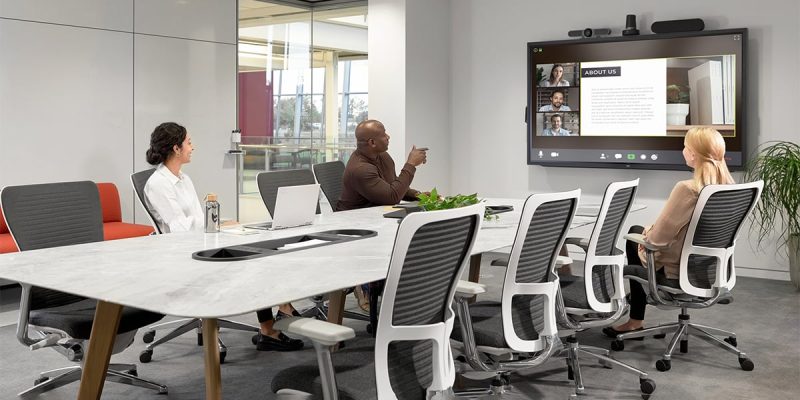
To cater to the demands of hybrid events, city venues are outfitted with state-of-the-art audio-visual equipment. High-definition screens, professional-grade microphones, and multiple camera angles ensure that the virtual audience experiences rich, immersive content. These enhancements contribute significantly to maintaining high levels of engagement among remote attendees.
Implementation of Virtual Reality and Augmented Reality Features
A growing trend is the integration of virtual reality (VR) and augmented reality (AR) in hybrid conferences. These technologies enable venues to offer unique, interactive experiences that captivate attendees. For example, virtual tours of the conference space or AR-enhanced presentations can leave a lasting impression, adding a new dimension to traditional conference formats. As the technology becomes more sophisticated, city venues are consistently adapting to meet these cutting-edge expectations, ensuring that hybrid conferences remain dynamic and compelling.
Designing Flexible Spaces
Multi-Functional Spaces for Seamless Transitions
In 2025, city venues are ingeniously shaping multi-functional spaces to cater to the needs of hybrid conferences. These spaces are no longer confined to a static setup; instead, they are designed for easy transitions between different event formats. For instance, a room that serves as a lecture hall in the morning can effortlessly be transformed into a workshop space by the afternoon. Venue operators achieve this versatility by using mobile partitions, modular furniture, and advanced audiovisual systems that are adaptable to various conference requirements. This flexibility ensures an optimal experience for both in-person attendees and remote participants, as the space can be swiftly tailored to complement the session’s nature without unnecessary interruptions.
Comfort and Safety Considerations
As we navigate the post-pandemic world, comfort and safety remain paramount for conference-goers. City venues are prioritising these aspects by ensuring well-ventilated spaces with air purification systems and offering abundant room for social distancing if needed. Ergonomically designed seating, convenient access to sanitation stations, and touchless technologies further enhance the attendee experience. These considerations not only promote the well-being of participants but also instil confidence in attending live events.
Enhancing Physical and Virtual Interaction
A significant trend in hybrid conferences is the enhancement of interactions between physical and virtual attendees. Venues are incorporating high-definition video communication tools and interactive digital boards that allow for real-time collaboration. Wireless connectivity is robust and reliable, supporting seamless streaming and communication. Furthermore, augmented reality (AR) and virtual reality (VR) technologies are being employed to bridge the gap between those present in the room and participants who are joining remotely, ensuring an immersive and engaging experience for all.
Sustainability and Hybrid Conferences
Eco-Friendly Practices in Venue Operations
Sustainability has become a core focus in venue operations as environmental consciousness grows. City venues are implementing eco-friendly practices such as the utilisation of renewable energy sources, like solar panels and wind turbines, to power their facilities. Additionally, waste reduction initiatives, such as comprehensive recycling programmes and the use of biodegradable materials, are being prioritised in daily operations. These measures not only contribute to a healthier planet but also resonate with environmentally conscious participants.
Digital Alternatives Reducing Event Footprint
Digital alternatives have considerably reduced the environmental footprint of hybrid conferences. By embracing virtual platforms and paperless registration processes, venues have significantly diminished the need for printed materials. Conference programmes and promotional materials are now delivered digitally, eliminating excessive paper waste. Furthermore, by offering virtual attendance options, venues can decrease the number of in-person attendees, thereby reducing travel-related carbon emissions and contributing to a more sustainable event model. These innovations demonstrate a commitment to sustainability while maintaining connectivity and engagement.
Conclusion
As we look towards 2025, it is evident that city venues are adeptly evolving to meet the demands of hybrid conferences. The integration of advanced technology ensures that attendees experience seamless transitions between virtual and physical spaces. Key advancements include:
– Enhanced audio-visual technology to bridge geographical gaps.
– Flexible spaces to accommodate both in-person and virtual attendees.
– Sustainable practices to minimise the carbon footprint of events.
These adaptations not only make hybrid conferences more accessible but also elevate the overall event experience. City venues such as those in London are setting benchmarks for innovation and inclusivity, making them ideal for hosting corporate events in the modern era. As this trend continues, we can anticipate ongoing enhancements that will further fuse technology and human interaction in dynamic and sustainable ways.