 By
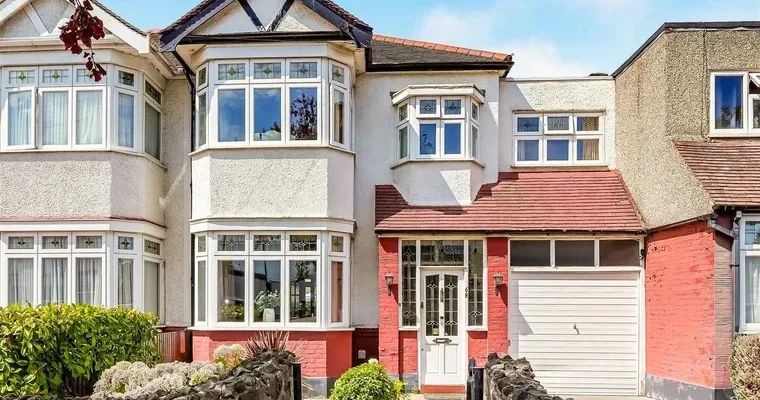
By Walk from Ilford station up towards Valentines Park and the change in architecture happens almost street by street. Redbrick Victorian terraces give way to 1930s semis with their bay windows and tiled porches, then suddenly you’re passing a glass-fronted apartment block that wasn’t there five years ago. It’s this mix that keeps drawing people in, and it’s exactly the sort of variety that independent estate agents in Ilford for house purchases spend a lot of time walking buyers through, because two houses on the same road can genuinely belong to entirely different eras and price brackets. We see this confusion a lot with buyers who’ve only looked online and haven’t actually walked the streets yet.
The bones of the town: Victorian and Edwardian terraces
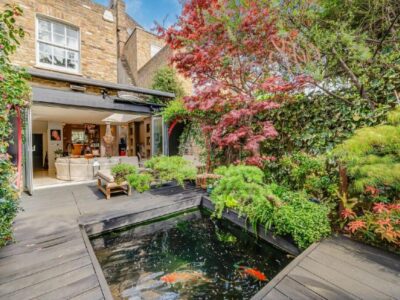
Ilford’s older housing stock is where most of the character sits. These terraces went up in the late 1800s and early 1900s, and they still carry the details that made them desirable then and now — decorative brickwork around the doorways, bay windows, sometimes original stained glass if nobody’s ripped it out over the decades. Room sizes tend to be generous compared with a lot of what’s built today, which buyers usually ask about once they’ve viewed a couple of newer flats and noticed how much smaller the rooms feel.
Not every terrace has aged the same way. Some have been carefully restored with original fireplaces and cornicing intact. Others have had decades of piecemeal modernisation that’s stripped most of that character out. It’s worth asking what actually survives before assuming a period label means period features.
1930s semis and detached houses
Move slightly further out and you hit the interwar housing that makes up a big chunk of Ilford’s residential streets. These were built with wider plots than the Victorian terraces, and it shows — off-street parking, proper front gardens, and rooms laid out with a bit more breathing space between them. Bay windows carried through from the earlier period, but the overall footprint is roomier.
This is generally where families end up looking first. A 1930s semi with a decent rear garden offers a genuinely different kind of living compared with a terrace close to the high road, even if the asking prices sometimes land closer together than people expect.
What the Elizabeth Line has actually changed
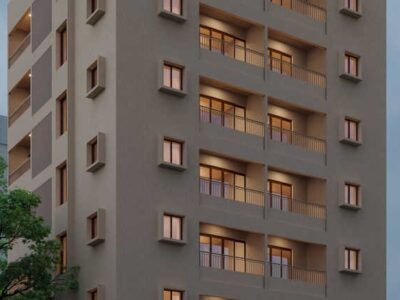
It’s easy to overstate how much a single train line changes a town, but here it’s been fairly visible. Since the Elizabeth Line opened, new apartment blocks have gone up near the station and through the town centre, aimed at commuters wanting a fast run into central London without a car. These newer builds lean into open-plan layouts, decent EPC ratings, and secure parking or cycle storage — different priorities entirely from the period stock a few streets away.
The Ilford Western Gateway scheme is the biggest example of this shift. It’s set to bring around 1,000 new homes into the area between Ilford Hill and the station, alongside green space and community facilities, as part of a wider effort to reshape that whole stretch of the town centre. There’s also a smaller but meaningful project underway along the River Roding — a roughly £3 million scheme reopening public access to a stretch of river that’s been largely cut off for years, with a new bridge, walking paths, and a pocket park planned. Neither of these projects has finished yet, so anyone viewing property nearby should expect a bit of ongoing construction disruption before the benefits fully land.
Conservation areas and listed buildings
Not everything in Ilford is up for modernisation without a fight, and that’s a good thing for anyone who cares about the town keeping its identity. The Valentines Park Conservation Area is the standout example, home to Valentines Mansion, a Grade II* listed building surrounded by protected parkland. Properties within designated conservation areas face tighter planning controls — extensions, window replacements, and roof alterations often need permission that wouldn’t be required elsewhere. This can feel restrictive, but it usually works in a homeowner’s favour over time. Streets that keep their character tend to hold buyer interest better than ones that lose it to mismatched extensions.
Streets that carry a premium
A handful of roads in Ilford have built reputations that show up directly in asking prices. The Drive is known for its larger detached houses and proximity to green space. Cranbrook Road tends to offer spacious period homes with off-street parking, which is worth more locally than it sounds given how tight on-street parking can get elsewhere. Exeter Gardens and Lincoln Gardens sit close to Wanstead Park and the golf club, and both carry the kind of mature gardens and original features that don’t come cheap to replicate elsewhere.
Choosing between old character and new convenience
The honest answer to “period or new build” in Ilford depends entirely on what someone wants day to day. Period homes offer space, character, and usually a garden worth having, but they often need ongoing maintenance and rarely come with modern insulation as standard. New apartments near the station offer low-maintenance living and strong transport links, but smaller footprints and, in some developments, restrictions on parking. Neither is the objectively better choice — it just depends on whether someone’s buying for the long haul with a family in mind or optimising for an easy commute and a lock-up-and-leave lifestyle.