 By
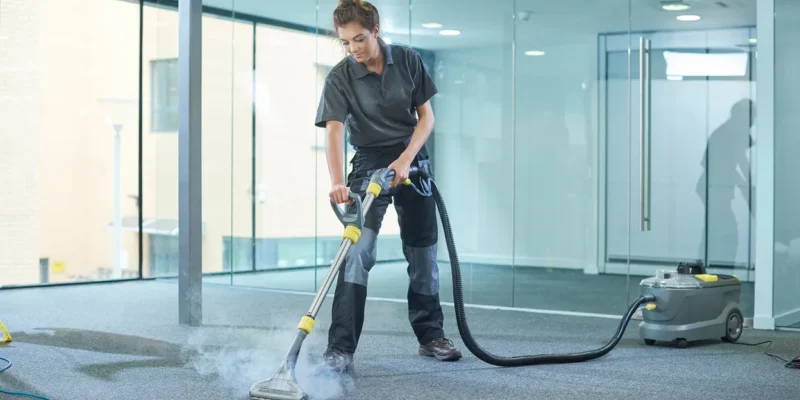
By Keeping a workplace spotless is more than just a matter of appearance. For many businesses in Uxbridge, clean carpets play a direct role in health, productivity, and brand image. As sustainability and hygiene have become boardroom priorities, the demand for office carpet cleaning Uxbridge services has grown rapidly. Companies are now moving beyond traditional cleaning methods, focusing instead on sustainable techniques that protect both employees and the environment.
The Shift Toward Eco-Conscious Cleaning
Sustainability has become a defining factor in how modern offices operate. From energy efficiency to waste reduction, every operational choice reflects corporate responsibility. Carpet cleaning is no exception. Businesses in Uxbridge are increasingly opting for eco-friendly cleaning methods that use non-toxic solutions and water-saving technologies.
Traditional carpet cleaning often relied on harsh chemicals that left residues, emitted odours, and contributed to indoor air pollution. Modern professional cleaners now use biodegradable, plant-based detergents and advanced low-moisture extraction systems. These techniques deliver deep cleaning without harming the carpet fibres or the environment.
Sustainable cleaning benefits offices in multiple ways:
-
Healthier indoor air quality: By avoiding volatile organic compounds (VOCs), eco-cleaning helps reduce allergy triggers and respiratory discomfort among staff.
-
Reduced downtime: Faster drying times mean less disruption to office operations.
-
Prolonged carpet life: Gentle yet effective cleaning preserves fibres, helping businesses avoid frequent replacements.
Why Carpet Cleanliness Matters for Workplace Wellbeing
Many employers underestimate how much carpets influence workplace health and morale. Office carpets act as filters, trapping dust, allergens, and pollutants. Over time, these particles accumulate and circulate through the air conditioning system, affecting indoor air quality.
Professional office carpet cleaning Uxbridge specialists understand this relationship between hygiene and wellbeing. Clean carpets reduce the spread of germs, mould spores, and bacteria. For offices that receive heavy foot traffic, such as those near Uxbridge’s business parks or high streets, regular deep cleaning is crucial.
In environments where clients or customers visit frequently, the cleanliness of carpets also affects brand perception. A spotless floor subtly communicates that a business pays attention to detail and values quality.
The Science Behind Sustainable Carpet Cleaning
Modern cleaning companies rely on advanced technology that balances efficiency and environmental responsibility. One popular technique is encapsulation cleaning, where biodegradable polymers capture dirt particles that are later vacuumed away. Another is hot water extraction, which deep-cleans fibres without leaving chemical residues.
Some services also use HEPA filtration vacuums, ensuring the smallest airborne particles are trapped during the cleaning process. This is especially beneficial for employees with asthma or allergies.
In Uxbridge, many office buildings are now opting for “maintenance cleaning schedules” instead of reactive cleaning. This approach involves periodic, low-impact treatments that prevent dirt build-up. The result is cleaner carpets throughout the year, reduced waste, and lower long-term costs.
The Economic Benefits of Regular Carpet Maintenance
While many organisations view cleaning as an operational expense, in reality, it’s an investment in business efficiency and brand value. Carpets represent a significant financial asset for any commercial property, and regular maintenance extends their life span considerably.
Consider the cost difference between periodic professional cleaning and full carpet replacement. Businesses that invest in sustainable carpet care often save thousands annually by avoiding premature wear and tear. Clean carpets also help maintain the appearance of office interiors, making workspaces more appealing to employees and visitors alike.
Additional financial advantages include:
-
Lower absenteeism: Fewer allergens and pollutants mean healthier employees and fewer sick days.
-
Energy efficiency: Clean carpets improve air circulation, reducing pressure on HVAC systems.
-
Improved productivity: A cleaner environment boosts morale and focus.
How Uxbridge Businesses Are Leading the Change
Uxbridge has become a hub for modern office infrastructure, with new corporate buildings and refurbished workspaces emerging each year. Many of these companies are adopting green policies and expect service providers to align with those standards.
Cleaning firms that provide office carpet cleaning Uxbridge services are responding with sustainable innovations such as:
-
Greywater recycling systems that reuse rinse water safely.
-
Carbon-neutral operations that offset emissions through renewable energy.
-
Microfibre cleaning technology that captures more dirt while using less water.
These practices not only align with local sustainability goals but also enhance a company’s image among eco-conscious employees and clients. In an era where corporate responsibility influences purchasing and partnership decisions, being visibly green gives businesses a competitive advantage.
The Hygiene Factor: Beyond Visual Cleanliness
Clean carpets do more than look good. They are essential for maintaining a hygienic and productive office environment. With open-plan offices and shared spaces becoming more common, bacteria and viruses can spread easily through contact surfaces and flooring.
Professional cleaning ensures carpets are sanitised to a high standard. Experts often use steam or controlled-heat treatments that neutralise pathogens without the need for harsh disinfectants. This approach supports compliance with modern workplace health and safety standards.
Additionally, removing deep-seated dirt prevents odours and keeps carpets fresh for longer. This is especially valuable in offices with dense carpeting and limited natural ventilation, where odours can build up quickly.
Creating a Cleaner Corporate Culture
Sustainability in cleaning isn’t only about processes—it’s about mindset. When companies in Uxbridge choose eco-conscious carpet cleaning, they send a powerful message to employees and clients. They demonstrate commitment to both environmental stewardship and staff wellbeing.
Encouraging staff participation can enhance this culture further. Simple steps, such as removing shoes in certain areas, regular vacuuming, and immediate spill management, complement professional cleaning and extend carpet life.
Facility managers can also implement visible cleaning schedules or hygiene updates. Transparency builds trust, reassuring employees that their workspace is safe, hygienic, and cared for.
Integrating Technology and Data into Carpet Maintenance
Digital solutions now allow businesses to track cleaning frequency, water usage, and chemical consumption. Smart maintenance software can send automated reminders for scheduled cleans and record which products were used.
In high-traffic Uxbridge offices, these systems ensure no area is overlooked. They also create documentation useful for sustainability audits and workplace certifications. Businesses that adopt such innovations not only streamline operations but also strengthen their environmental credentials.
Future Trends in Commercial Carpet Cleaning
Looking ahead, Uxbridge offices are expected to adopt even more advanced and sustainable practices. Key trends include:
-
Nanotechnology treatments that create protective coatings against dirt.
-
Allergen-reducing formulations designed for sensitive workplaces.
-
Robotic cleaning equipment capable of precise, consistent cleaning in large areas.
These innovations will further enhance efficiency while reducing human error and environmental impact. For businesses aiming to remain competitive, staying ahead of these trends is essential.
Choosing the Right Cleaning Partner
Selecting a reputable service provider is central to achieving these results. Businesses should look for cleaning specialists that demonstrate proven expertise in sustainable practices, hold appropriate certifications, and offer transparent maintenance plans.
When evaluating potential partners, consider:
-
Whether they use eco-certified cleaning products.
-
Their approach to water conservation and waste reduction.
-
Customer reviews and long-term client relationships.
-
Availability of maintenance contracts rather than one-off cleans.
Partnering with a local specialist familiar with Uxbridge’s corporate landscape ensures responsive service and compliance with local environmental standards.
Frequently Asked Questions
1. How often should office carpets in Uxbridge be professionally cleaned?
For most offices, a professional clean every 6 to 12 months is ideal. However, high-traffic areas or client-facing spaces may require quarterly treatments to maintain hygiene and visual appeal.
2. Are sustainable carpet cleaning methods as effective as traditional ones?
Yes, modern eco-friendly techniques often deliver better results. They remove deep-seated dirt without harsh chemicals, preserve carpet fibres, and dry faster.
3. Can carpet cleaning reduce allergens and asthma triggers?
Absolutely. Professional cleaning removes dust mites, mould spores, and pollutants that accumulate in fibres, leading to improved air quality and fewer allergy symptoms.
4. How do businesses verify that a cleaning service is truly eco-friendly?
Ask for certifications such as ISO 14001 or details on biodegradable cleaning products. Reputable companies provide transparency about their materials and processes.
5. What is the long-term benefit of regular carpet maintenance for businesses?
Consistent cleaning prevents premature wear, enhances aesthetics, and contributes to a healthier, more productive workplace. Over time, it also reduces replacement and maintenance costs.
By embracing sustainable office carpet cleaning Uxbridge services, businesses can create healthier, more appealing work environments while contributing to a cleaner planet. In an era where workplace hygiene and environmental accountability go hand in hand, this approach is not just a choice—it’s a responsibility.